Índice
ToggleAI Music Therapy in 2025: How Personalized Songs Support Healing, Calm, and Emotional Well-Being
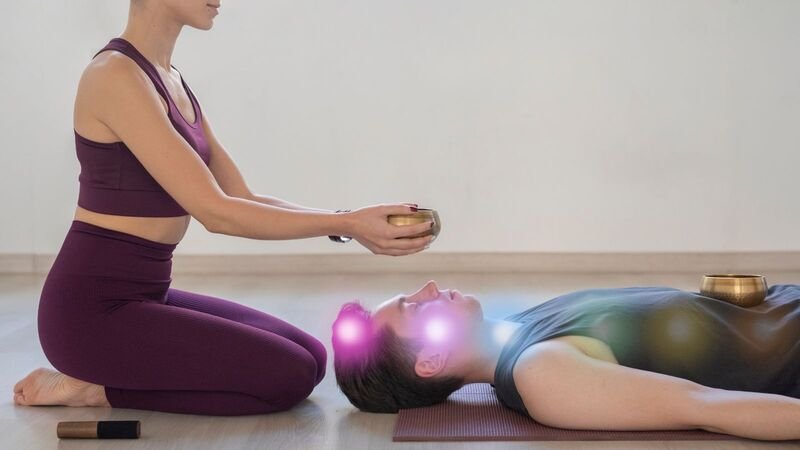
Music has always been one of humanity’s most powerful emotional tools, capable of soothing anxiety, sparking joy, releasing grief, and helping us process life’s biggest transitions. For centuries, music therapists have used sound and rhythm to support mental and emotional healing.
But in 2025, we’ve entered a completely new era.
AI-powered music therapy is now transforming the way people access emotional support, self-reflection, and healing at home.
Instead of generic relaxation playlists, people can now receive fully personalized songs created from their emotions, stories, and inner needs. AI tools, like Suno, which I use for my custom creations, can shape music in ways that fit an individual’s emotional state perfectly. This makes music therapy more accessible, more personal, and more impactful than ever before.
In this article, you’ll discover how AI-driven music therapy works, why it is rising in popularity worldwide, and how personalized songs are helping people cope with anxiety, grief, stress, trauma, and major life changes.
Why AI Music Therapy Is Growing So Fast

Traditional music therapy has always been effective, but it comes with limitations:
You must find a certified therapist
Sessions can be expensive
Access varies from country to country
Music isn’t always personalized to your unique emotional history
AI has changed all of that.
Today, anyone can access emotionally meaningful music that speaks directly to their inner world. AI music therapy is growing because it is:
1. Highly Personalized
AI can analyze keywords, emotions, memories, and themes you share.
Then it creates a song that reflects those exact emotional tones.
A person going through grief receives a soft, comforting melody.
Someone needing strength gets a powerful, uplifting sound.
A person with anxiety receives calm, rhythmic patterns that support grounding.
2. Fast and Accessible
You no longer need to wait for appointments.
A personalized calming song can be created within 24-48 hours.
3. Emotionally Safe
For people who struggle to talk about their feelings, music becomes a gentle way to process emotions without pressure.
4. Affordable
AI dramatically reduces production costs, making personalized therapeutic music available to more people than ever.
How AI-Created Songs Support Emotional Healing

AI music therapy blends psychology, sound design, and personalization.
Here are the ways it helps people heal and feel better:
1. Supports Anxiety Relief
Slow tempos, predictable rhythms, warm harmonies, and soft vocals help regulate the nervous system.
An AI-crafted song can be tailored to:
Lower stress responses
Reduce racing thoughts
Restore inner calm
Encourage deeper breathing
Because the song is personal, the listener often feels instantly connected to it.
2. Helps People Process Grief
Grief is complex and deeply personal.
AI-personalized songs can reflect:
The name of a loved one
Important memories
Words never spoken
Messages of comfort
A sense of spiritual or emotional connection
The music becomes a safe container where the listener can cry, reflect, and heal.
3. Boosts Motivation and Emotional Strength
For people going through major life changes, new beginnings, breakups, recovery, or burnout, a personalized uplifting song can:
Build confidence
Strengthen identity
Remind them of their inner power
Encourage them to keep going
AI can shape the tone, genre, and energy exactly to the listener’s needs.
4. Supports Self-Worth and Emotional Stability
Personalized songs become a mirror that says:
“I see you. I hear you. You matter.”
For people who feel alone, invisible, or overwhelmed, this kind of emotional reflection can be deeply healing.
5. Helps Children Regulate Emotions
Parents increasingly use AI-created personalized songs for:
Bedtime calm
Emotional reassurance
Confidence building
Managing fears or transitions
Children respond extremely well to songs that include their name and story.
Why Personalization Makes Music More Therapeutic

AI music therapy works because personalized music activates emotional centers in the brain more strongly than generic sounds.
When a song includes:
tu historia
your name
your memories
your feelings
your emotional needs
…your brain responds as if the music was created by someone who deeply understands you.
This increases:
emotional connection
stress reduction
healing potential
memory integration
sense of support and safety
In other words:
Personalized music doesn’t just sound beautiful – it feels like home.
Popular Ways People Use AI Music Therapy in 2025
Here are the most common uses:
✔ For anxiety or panic episodes
A calming personal song can help slow breathing and ground the mind.
✔ For grief or heartbreak
Music becomes a companion during emotional pain.
✔ For bedtime routines
Adults and children use personalized songs to relax before sleep.
✔ For meditation
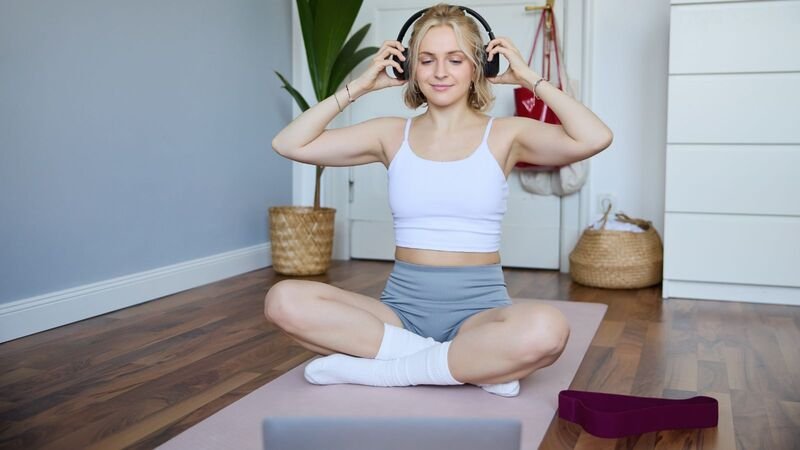
A personal song becomes a unique meditation soundtrack.
✔ For trauma recovery
Music can help reconnect emotional pathways gently and safely.
✔ For motivation and confidence
People listen to personalized empowering songs before important events.
✔ For emotional reflection
The music helps people understand and express their inner world.
AI Music Therapy for 2025: What the Future Looks Like

The next years will bring:
Hyper-personalized emotional signatures
Songs created from your heart rate, mood, sleep patterns, and emotional data.AI-guided therapy sessions with music
Where AI provides talking prompts, emotional coaching, and music in one flow.Music that adapts to your real-time emotions
Using wearable devices or phone data.Global access
Anyone, anywhere, will have access to affordable music-based emotional support.
And most importantly:
Personalized music will become a normal tool for daily emotional health—just like exercise or meditation.
FAQ - AI Music Therapy
-
1. Does AI music therapy really work emotionally?
Yes. Emotional personalization makes the music feel deeply meaningful. AI helps express your own feelings through sound, not replace them.
-
2. Is it safe to use AI-created music for emotional support?
Yes. It is a gentle, non-invasive method suitable for most people and can be used alongside traditional therapy.
-
3. Can I request a specific mood or genre?
Absolutely. Peaceful, cinematic, acoustic, inspirational, or anything else, the music is fully tailored to your emotional needs.
-
4. How quickly can a personalized therapeutic song be created?
Usually within 24-48 hours, depending on details and revisions.
-
5. Can children benefit from AI music therapy?
Yes. Personalized songs help with sleep, fears, emotional regulation, and building confidence.